How Supports Independent Arabic Grammar Learning
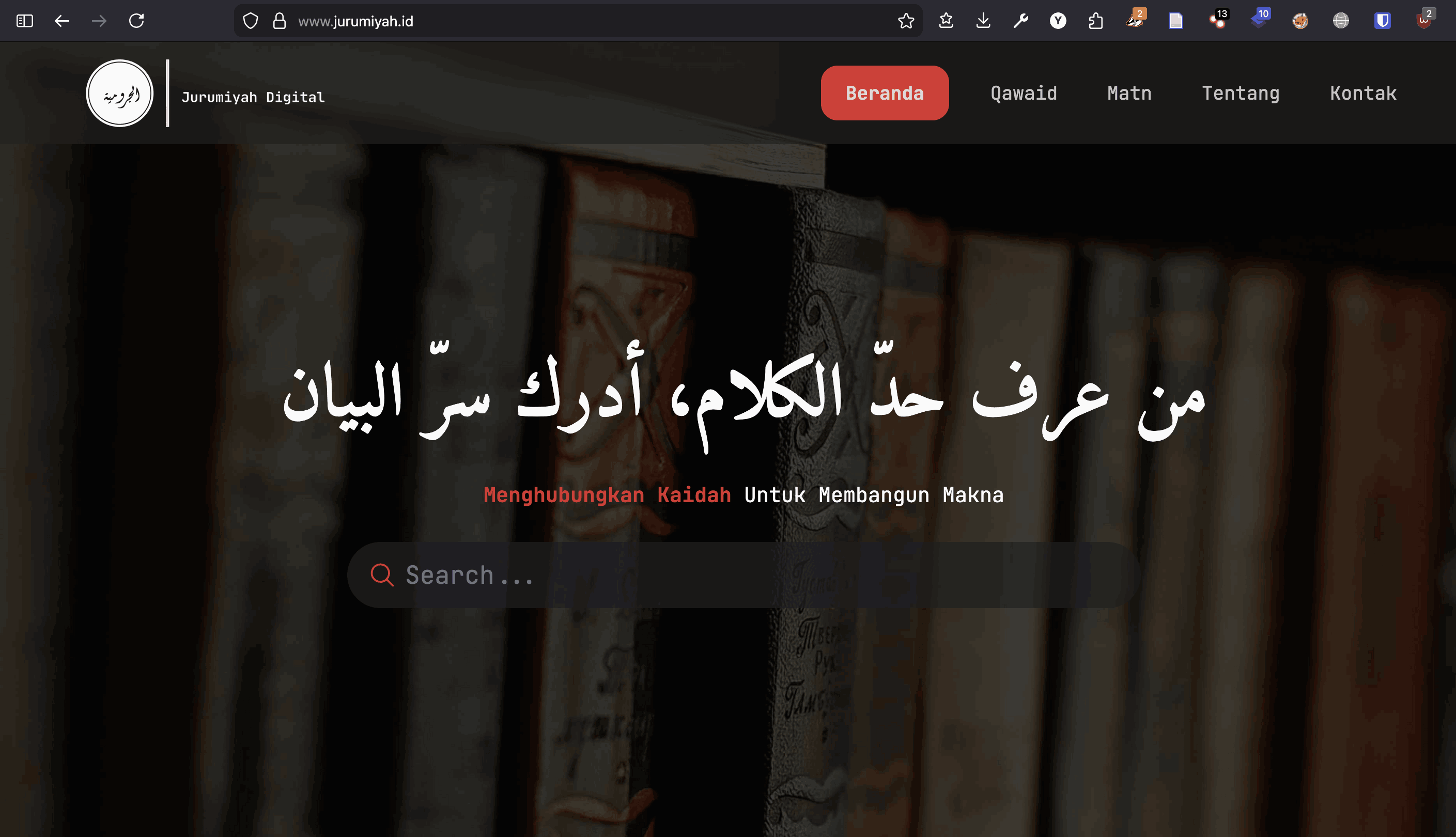
Jurumiyah.ID: Reimagining Matn al-Ājurrūmiyyah. as an interactive Arabic grammar platform for university students.
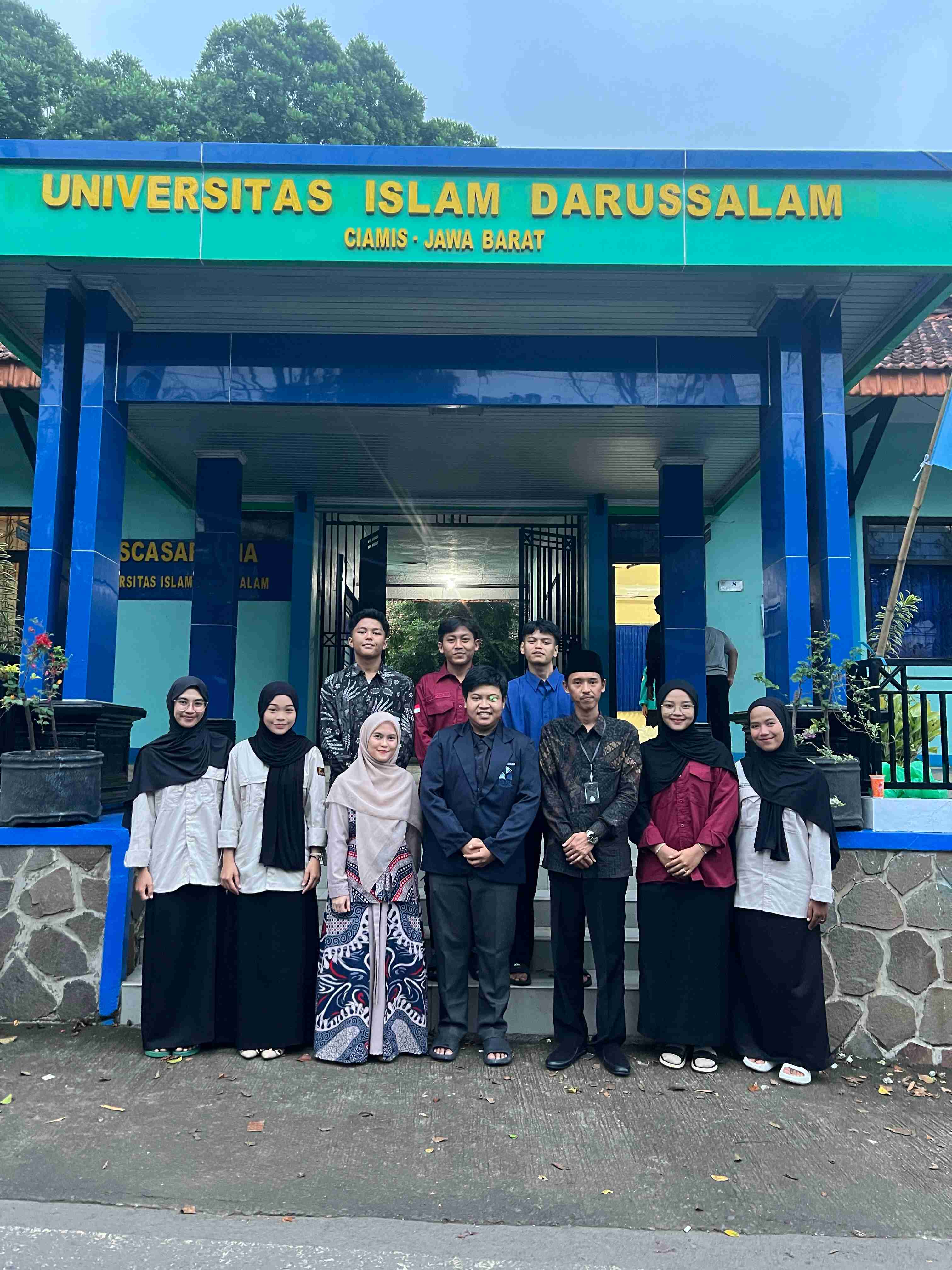
Arabic grammar (nahw) is widely respected as a core tool for understanding Arabic texts, yet many university learners still encounter it through memorization and static explanations. Without structured practice and feedback, students may understand rules “in theory” but struggle to apply them consistently.
This challenge becomes more visible at the university level. In the same classroom, students with strong pesantren backgrounds often learn differently from students coming from general schools. When learning relies heavily on text and recall, outcomes can diverge fast: some progress confidently, while others feel stuck, even when they are motivated.
To respond to this gap, a Research & Development (R&D) project at Universitas Darussalam Gontor (UNIDA) Gontor, Indonesia designed and evaluated Jurumiyah.ID, an educational website that reintroduces al-Ājurrūmiyyah as a structured digital learning environment. Instead of treating the text as a static PDF, the platform organizes content into step-by-step units, supports navigation across related rules, and provides interactive exercises with immediate feedback.
What Jurumiyah.ID does actually changes
At the core, Jurumiyah.ID supports self-directed learning. This matters because independent learners do not always have a teacher available to confirm whether they understood a rule correctly. The platform provides a guided learning pathway that helps learners stay on track.
Key features include:
- Structured units based on selected chapters from Matn al-Ājurrūmiyyah
- Searchable content to reduce time wasted scrolling and guessing
- Cross-references to connect related rules and strengthen conceptual mapping
- Formative quizzes with instant feedback to correct errors early
- Responsive design so learning works across devices
How the platform was developed (beyond just “building a website”)
This project used an R&D approach. The instructional design followed the ADDIE model (Analysis, Design, Development, Implementation, Evaluation). For the technical process, development was documented using stages aligned with SDLC Waterfall to keep each step clear and traceable.
The work began by identifying learners’ needs and common difficulties, then mapping learning objectives and content structure, developing the prototype, validating it with experts, testing it with students, and evaluating learning outcomes.
What the study found
The platform was evaluated from two angles:
1) Expert validation (Is it appropriate as a learning medium?)
Experts assessed the platform’s content and media quality. The average feasibility score reached 4.8, classified as excellent/very feasible based on the assessment rubric. In short, experts judged the accuracy, presentation, and usability as highly acceptable for instructional use.
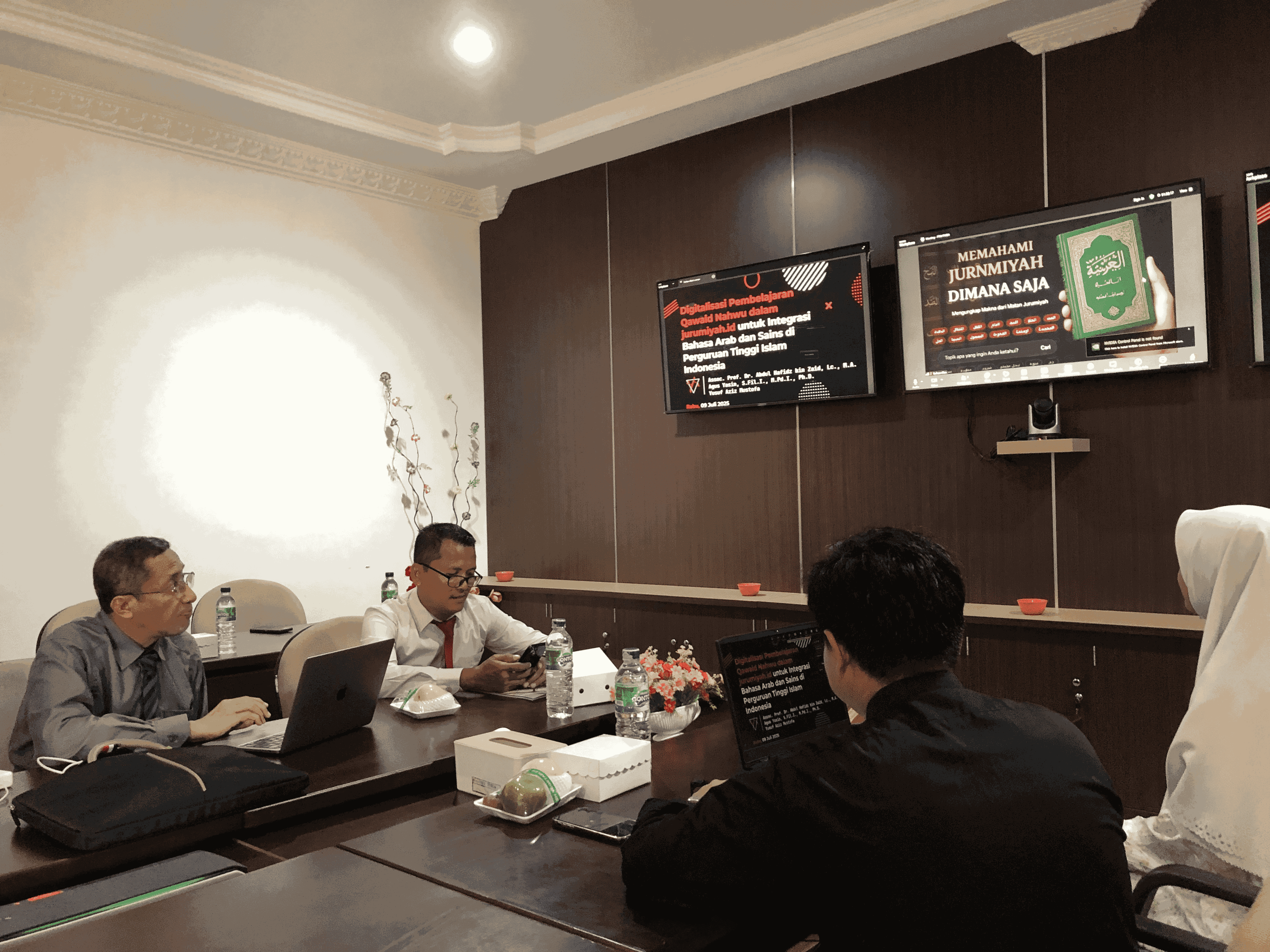
2) Learning impact (Does it help students understand nahw better?)
To examine short-term learning gains, the study used a one-group pretest–posttest design with 40 undergraduate students from two study programs: Qur’anic Studies and Tafsir and Islamic Education.
Students’ average score increased from 52.50 (pre-test) to 68.5 (post-test). A Wilcoxon signed-rank test showed a significant difference (p-value = 5.474e-08) with a large effect size (0.883). In practice, after structured use of the platform, students performed noticeably better.
Why this matters beyond one website
Digitizing classical Islamic texts is not new. However, many “digital versions” stop at putting content online. This project highlights a more specific point: a classical grammar text becomes far more usable when it is paired with structure, navigation, and feedback.
For grammar learning, feedback is not optional. If a learner repeatedly practices rules incorrectly, mistakes can become stable habits. Immediate feedback helps learners correct errors early, which is especially important in self-study contexts.
For campuses, platforms like this can support blended learning: students prepare independently, while class time can focus on discussion, deeper analysis, and applied exercises.
What’s next
Jurumiyah.ID is not presented as a final product. It is a foundation. Future improvements may include:
- Expanding content coverage beyond selected chapters
- Adding audio support for reading the matn and examples
- More varied question types and adaptive practice paths
- Mobile app packaging (Android/iOS) and offline mode
- Stronger experimental designs (control groups, multi-campus trials)
About the project
Jurumiyah.ID was developed as part of an R&D study on Arabic grammar learning using Matn al-Ājurrūmiyyah, designed for self-directed university learners in Indonesia. The platform aims to reduce learning barriers by making grammar content more structured, interactive, and easier to navigate.
Keywords: Arabic grammar, al-Ājurrūmiyyah, educational website, formative assessment, self-directed learning, ADDIE, SDLC Waterfall.